DSArms Log Design
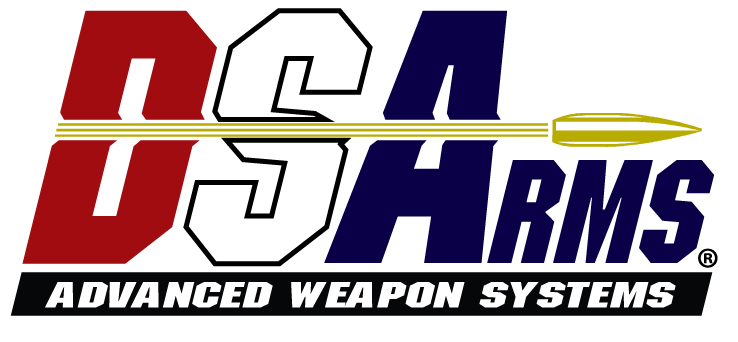
D.S Arms Incorporated 1992
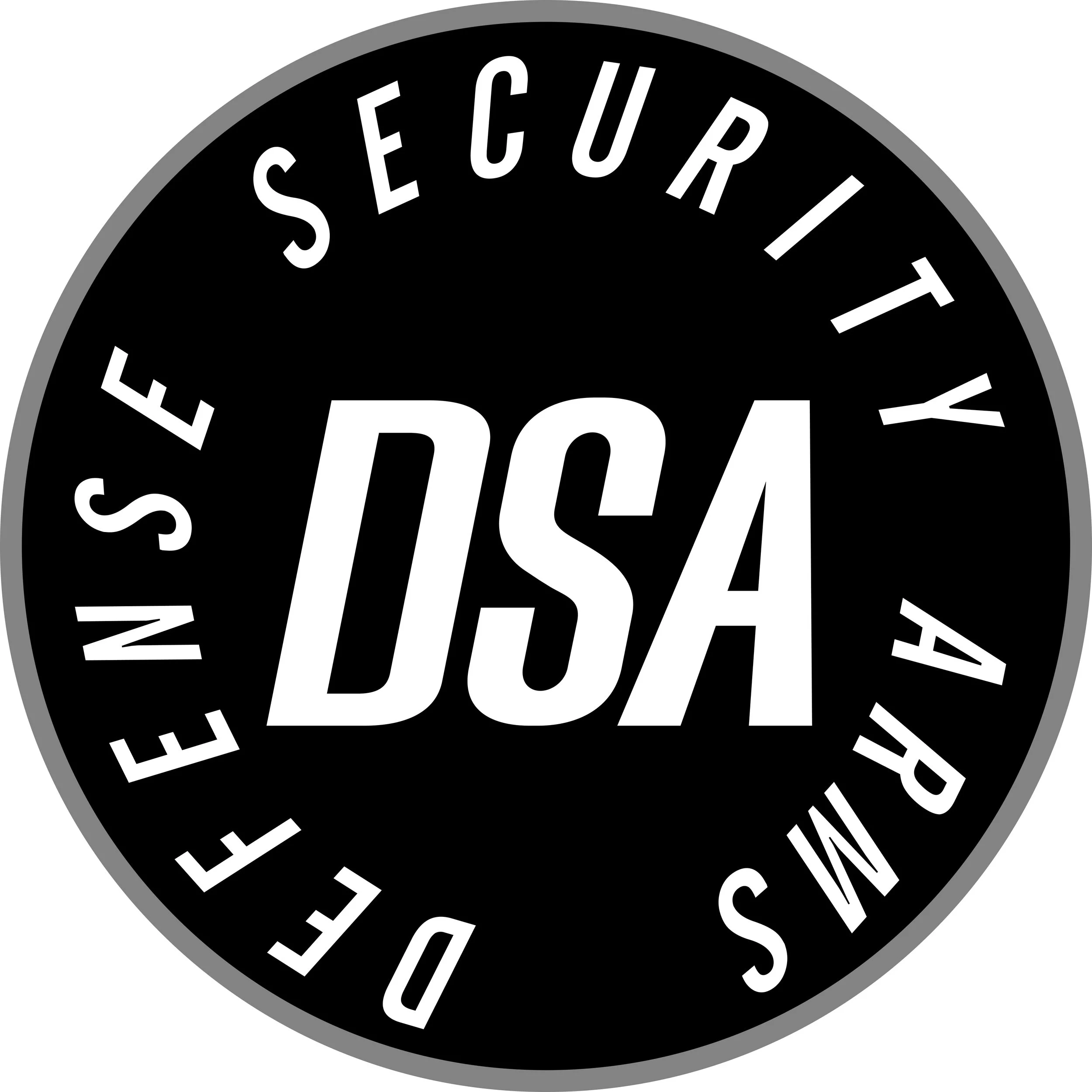
Defense Secutrity Arms Inc 2025
Problem Statement
During my tenure at the company, I was allowed to assist in exploring a potential rebranding from D.S. Arms, Inc. to Defense Security Arms, Inc., which was planned for August 2025 to September 2025. As part of this initiative, the company identified the need for a new logo design that would better align with the updated name and reflect a more modern brand identity.
Solution
I was given the task of redesigning the company’s logo following a legal name change. The goal was to create a refreshed visual identity while still respecting the company’s history and reputation. I was asked to develop several different logo concepts that the company could review and compare, each offering a slightly different direction for a more modern look.
Throughout the process, my focus was on how the brand could evolve without losing what made it recognizable. As discussions progressed and requirements changed, I adjusted my approach by exploring variations in typography, layout, and symbol usage. This allowed the company to see how subtle design changes could modernize the brand while still feeling familiar to existing customers.
My thought process centered on balancing tradition with clarity and adaptability. Each logo option was designed to work across multiple uses, including digital platforms, printed materials, and product markings, while aligning with the newly updated company name.
Company Research
D.S. Arms, Inc. (DSA) is a U.S.-based firearms manufacturer founded in 1987 and incorporated in Illinois in 1992. What sets DSA apart is its commitment to true domestic manufacturing. Rather than assembling rifles from imported parts kits, DSA fabricates nearly every component in-house or through long-term, vetted U.S. vendors.
DSA is best known for producing the FN FAL 7.62mm rifle system entirely in the United States. Their FAL rifles are fully interchangeable with original FN metric FALs, while benefiting from modern tooling, improved materials, and updated manufacturing processes. In addition to complete rifles, DSA produces spare parts and proprietary accessories, supporting both collectors and active shooters.
This approach positions DSA not just as a manufacturer, but as a long-term supporter of the FAL platform in the U.S. market.

Market Research
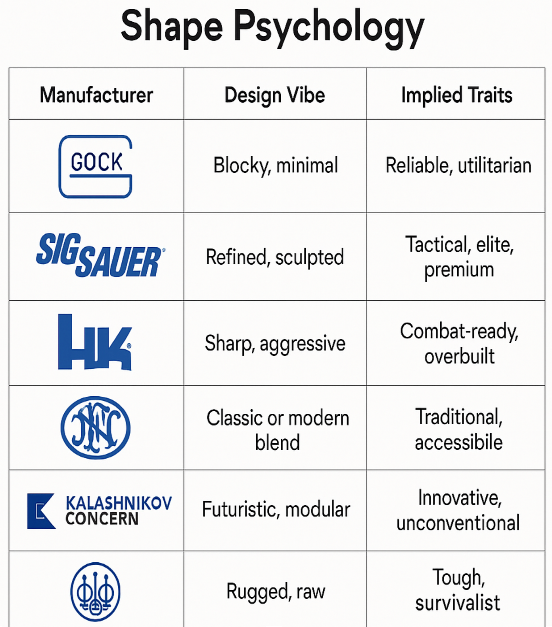
While conducting market research on various companies’ logo design processes, I discovered how shape psychology helps companies grow while preserving their legacy. It allows brands to update and evolve their look without losing their identity, ensuring their history and legacy remain intact throughout the design process.
My goal was to respect the legacy of the FAL and the craftsmanship behind it, while finding ways to present that history in a more approachable and educational way. Rather than changing what makes DS Arms unique, the intention was to build on that foundation, keeping the heritage intact, but refining how it’s communicated. Hence, it’s easier to understand for both long-time enthusiasts and newer audiences.
Research Findings and Insights
Through my research across companies in the industry, I found that many brands intentionally preserve elements of their original designs when introducing newer updates. This approach allows them to evolve visually while maintaining strong brand recognition and continuity.
A common trend I noticed is the continued use of seal-style or symbol-driven logos, where words are not always necessary for the brand to be immediately recognizable. A strong example of this is Glock—when people around the world think of the brand, they instantly recognize the bold “G” mark without needing additional text.
This insight has guided my next step for DS Arms: developing a visual direction that follows a similar principle. The goal is to create a mark that stands on its own, reflects the company’s history, and remains instantly recognizable, while still feeling modern and relevant.
Revisions
After several interviews and discussions with my manager and the CEO, this reflects the thought process we developed together. These are the changes I made throughout my time with the company.
Below are the different versions I created and refined over time, based on feedback and critiques from both my manager and the CEO. This represents the work I was able to develop and improve during my time here.
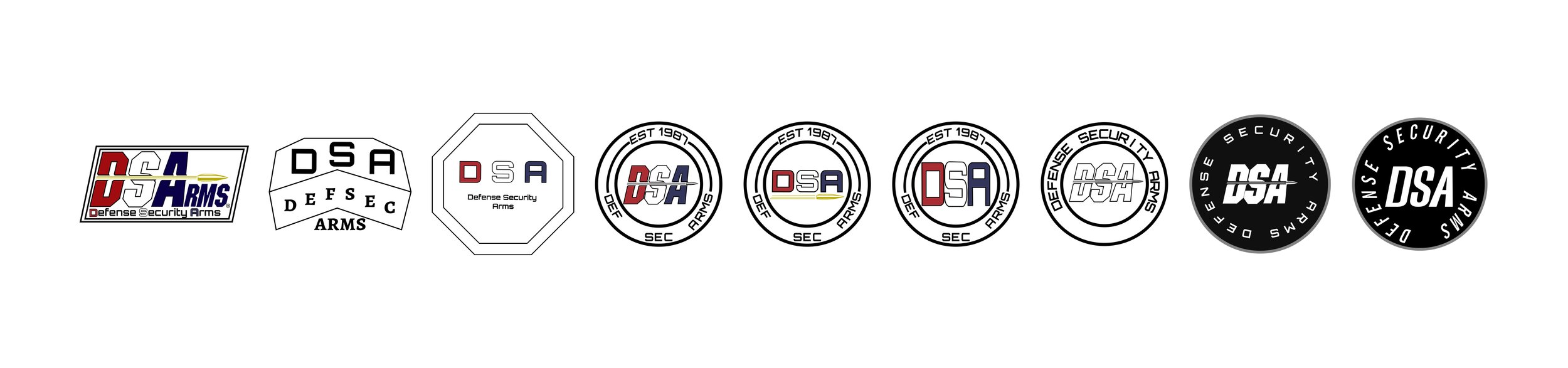
New Logo
After receiving critique and feedback from my manager and the CEO, this became the final version we decided to move forward with for the new company. After several weeks of going back and forth, I was able to reach a point where everyone was confident and satisfied with the outcome.
The only limitation at the time was that I was unable to apply this new design to the company website, as changes to the website were not within my control. However, the finalized design was completed and remains available should updates or revisions be needed in the future.
One of the challenges encountered was the timing of the transition. Although the new logo design was positively received internally, implementation was complicated by the fact that the company was already in discussions with the website development team, which limited the ability to move forward with the updated logo at that time.
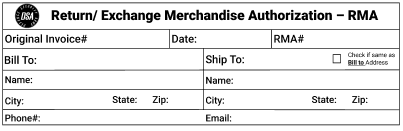
The only opportunity to showcase the new logo design was through internal forms that were sent to customers. Below is an example of one of the many forms used within the company where the updated logo was applied.